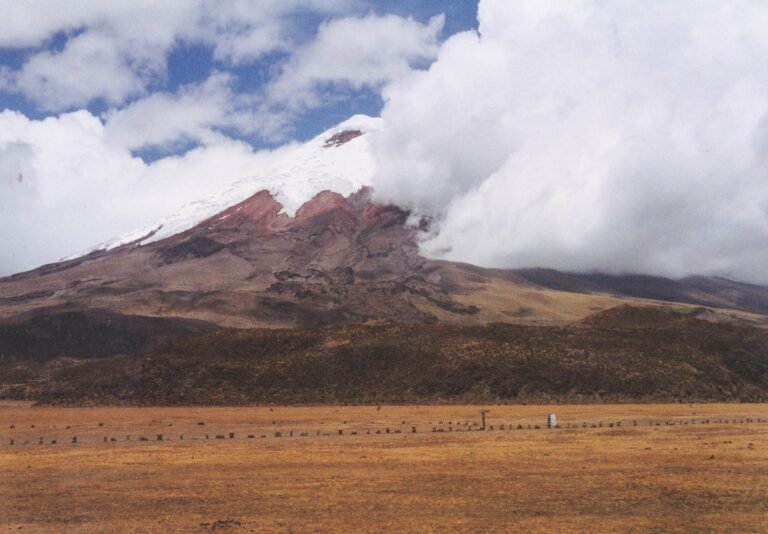
Cotopaxi Summit Climb: 2 Days
- 2 days, 1 night
- Summit 5897 m
- Certified mountain guide
- Night at the José Rivas Refuge
- Climbing gear included
Overview
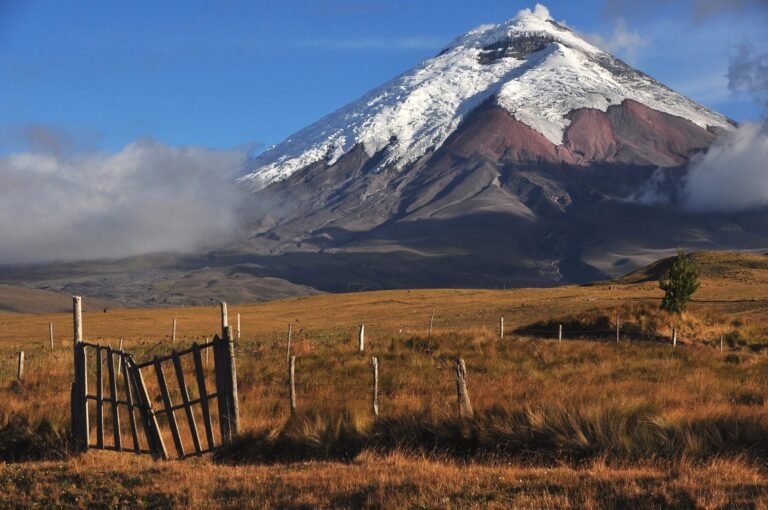
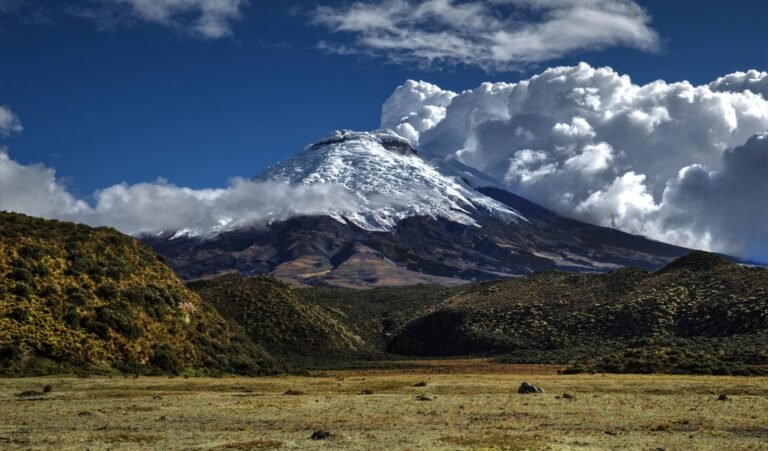
Climb Cotopaxi Volcano to its 5,897 m summit with a certified mountain guide: a night at the José Rivas Refuge, a midnight start on the glacier and sunrise at the crater. For fit hikers who are already acclimatized.
Itinerary
Day 1: Machachi to the José Rivas Refuge
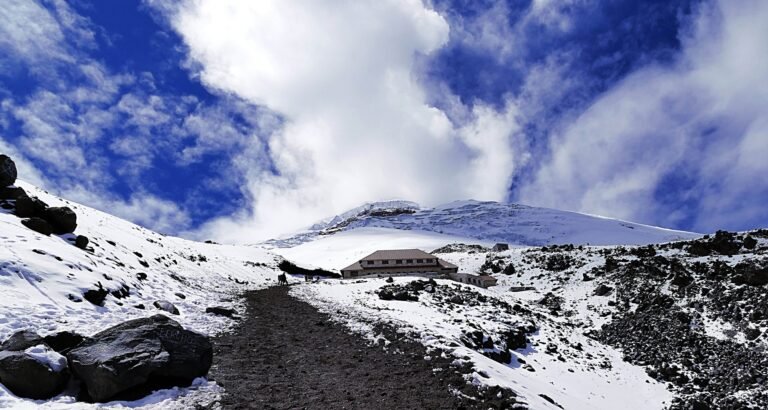
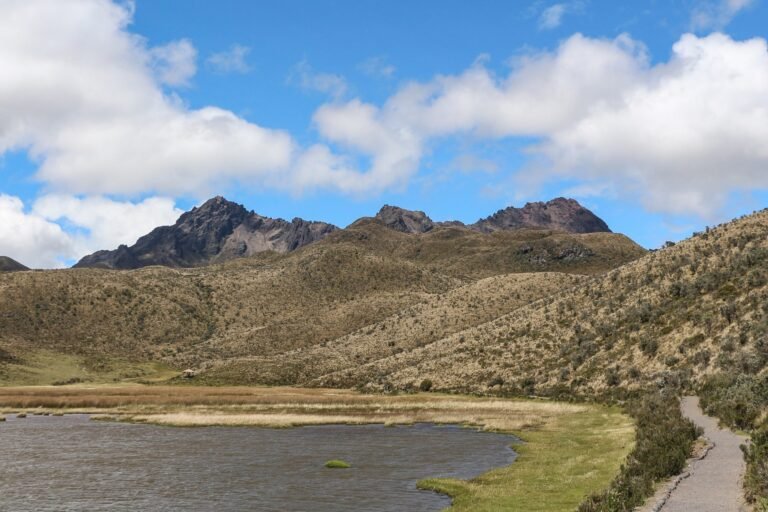
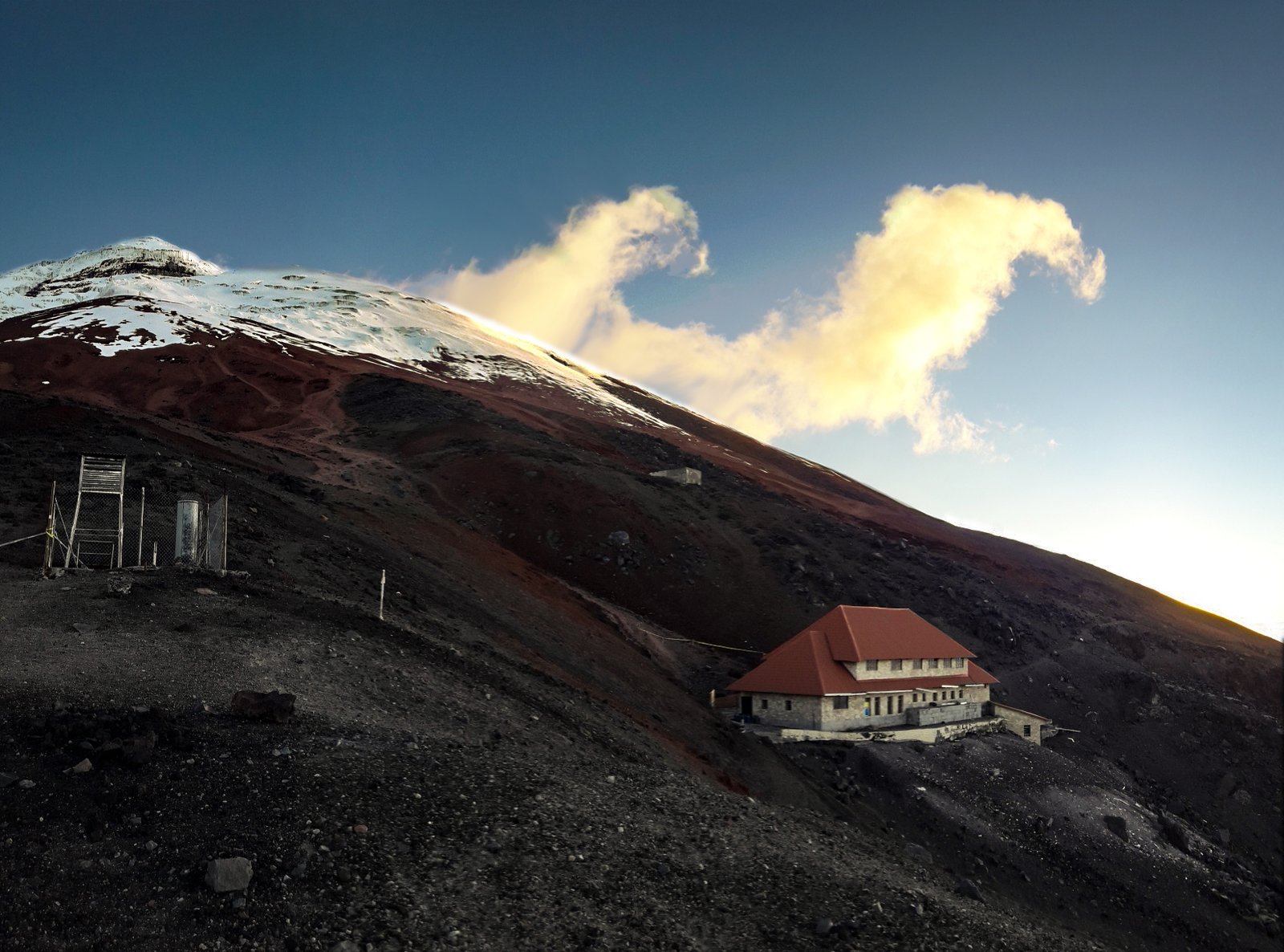
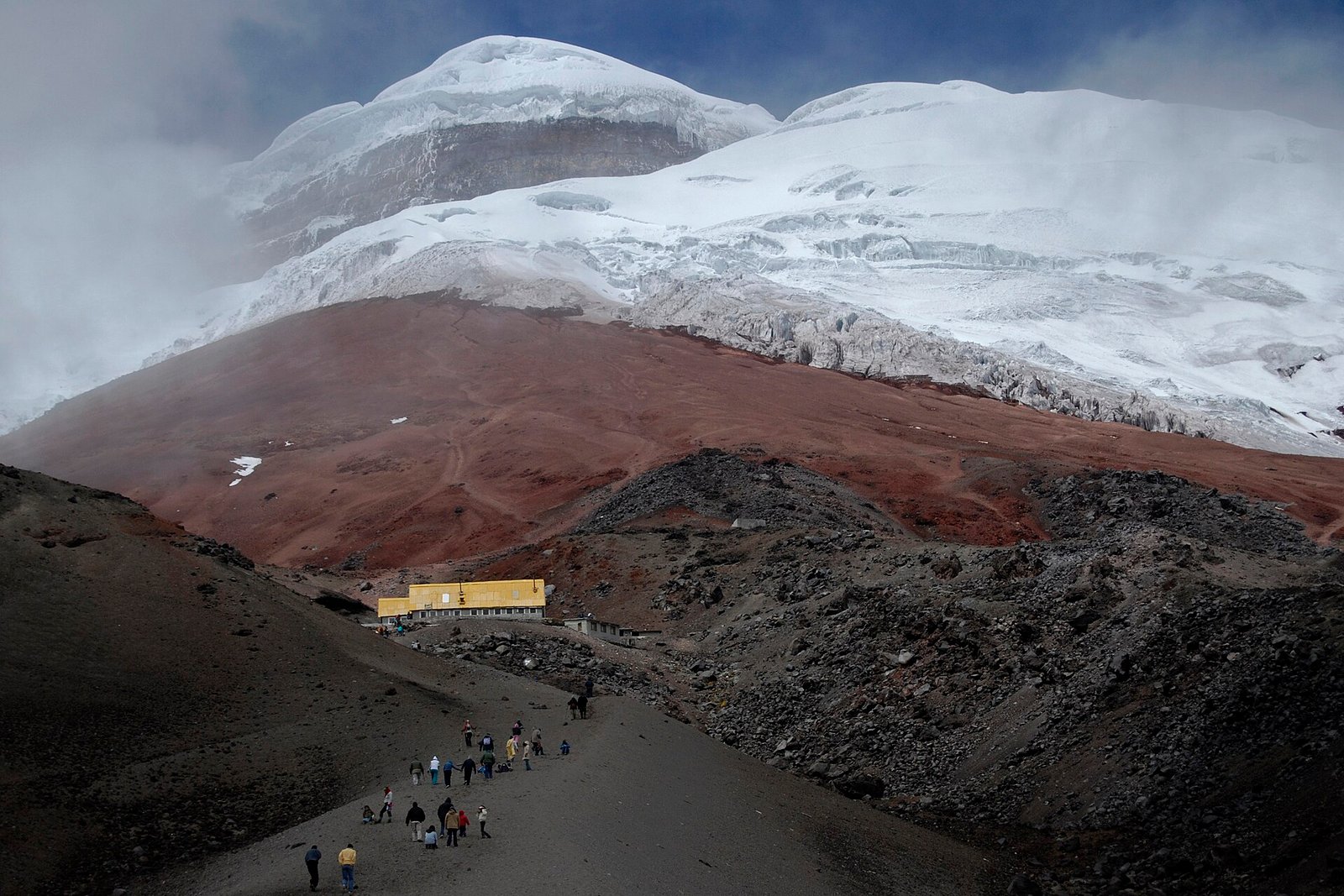
We meet around midday at our office in Machachi, check your gear and drive into Cotopaxi National Park to the parking lot at about 4,600 m. From there, a walk of about an hour up to the José Rivas Refuge at 4,864 m. Come acclimatized: a hike such as the Rumiñahui Volcano Hike a few days before makes a real difference.
Starts and ends: our office in Machachi
Pickup in Quito: available as an extra
Glacier practice and an early night
In the afternoon your guide goes over the crampons, the ice axe and the rope with you at the edge of the glacier. An early dinner at the refuge and to bed before dark.
Day 2: the summit push
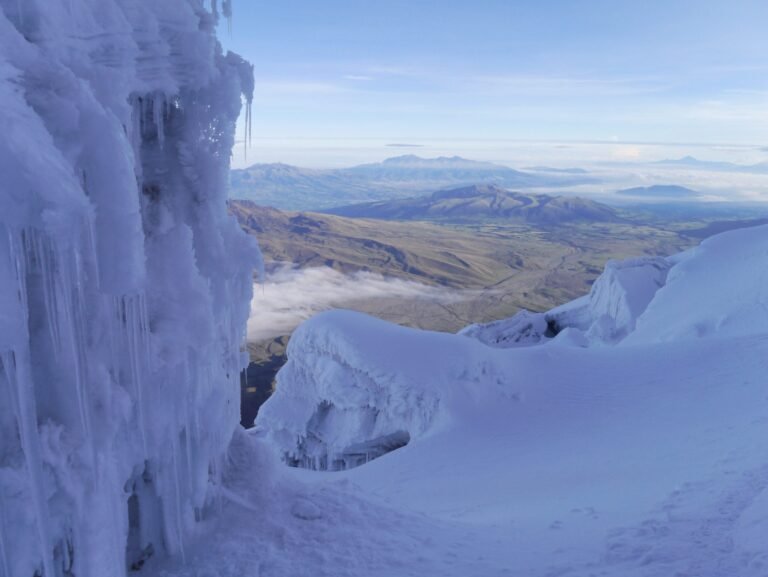
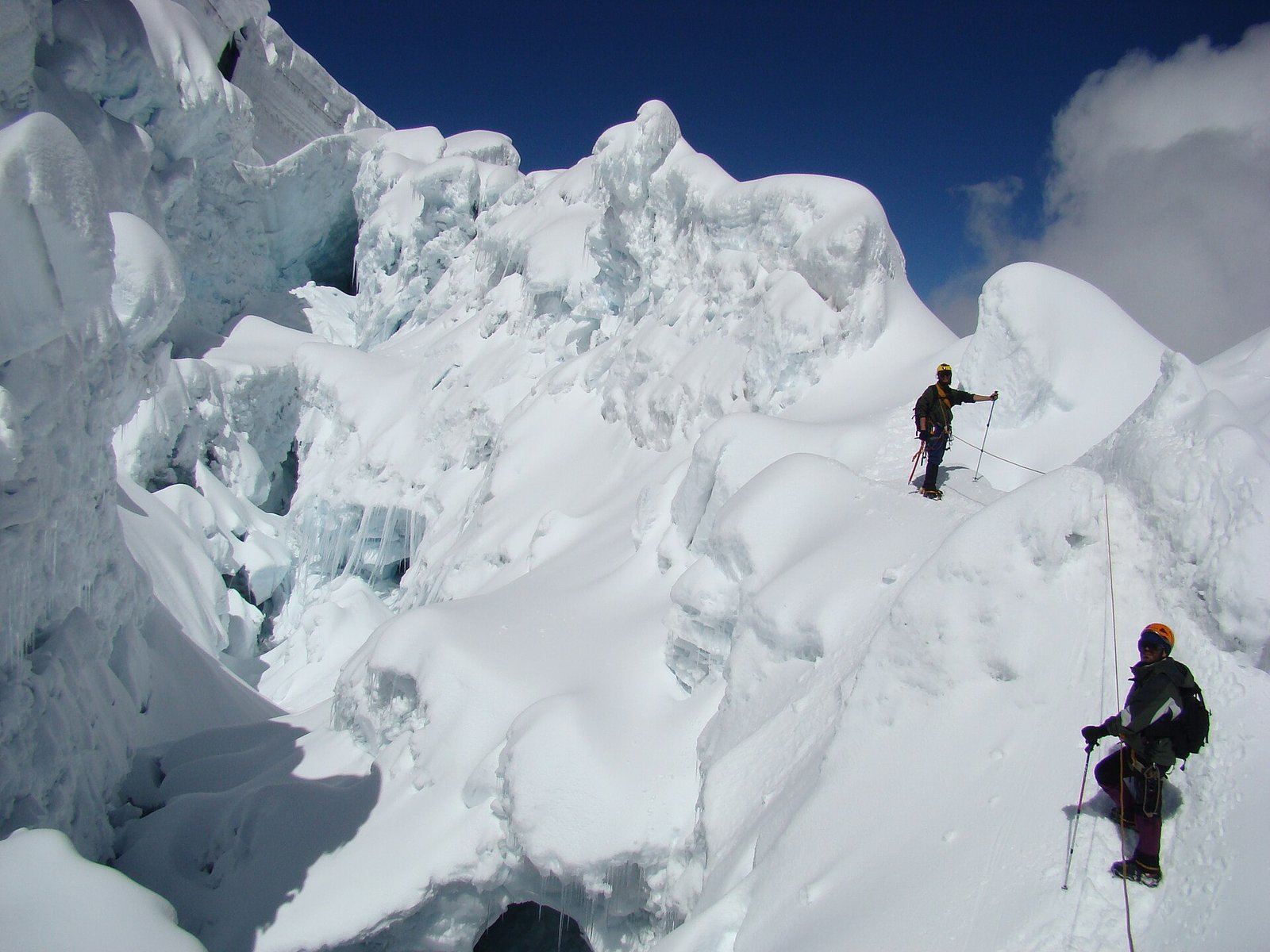
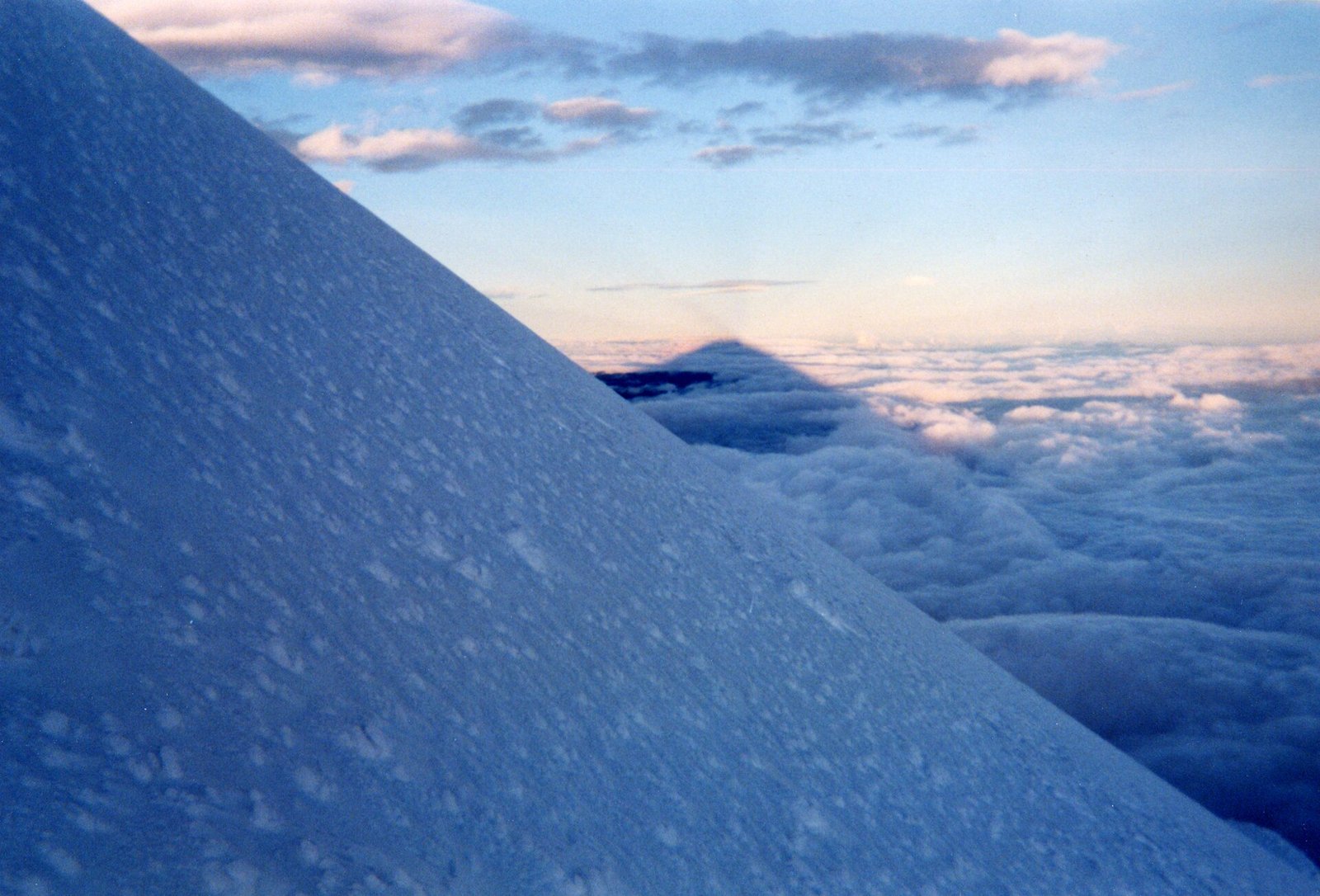
Up before midnight and out by headlamp, roped to your guide. The route crosses the Cotopaxi glacier between crevasses and ice towers: about 6 to 7 hours up, at a slow, steady pace.
Sunrise at 5,897 m
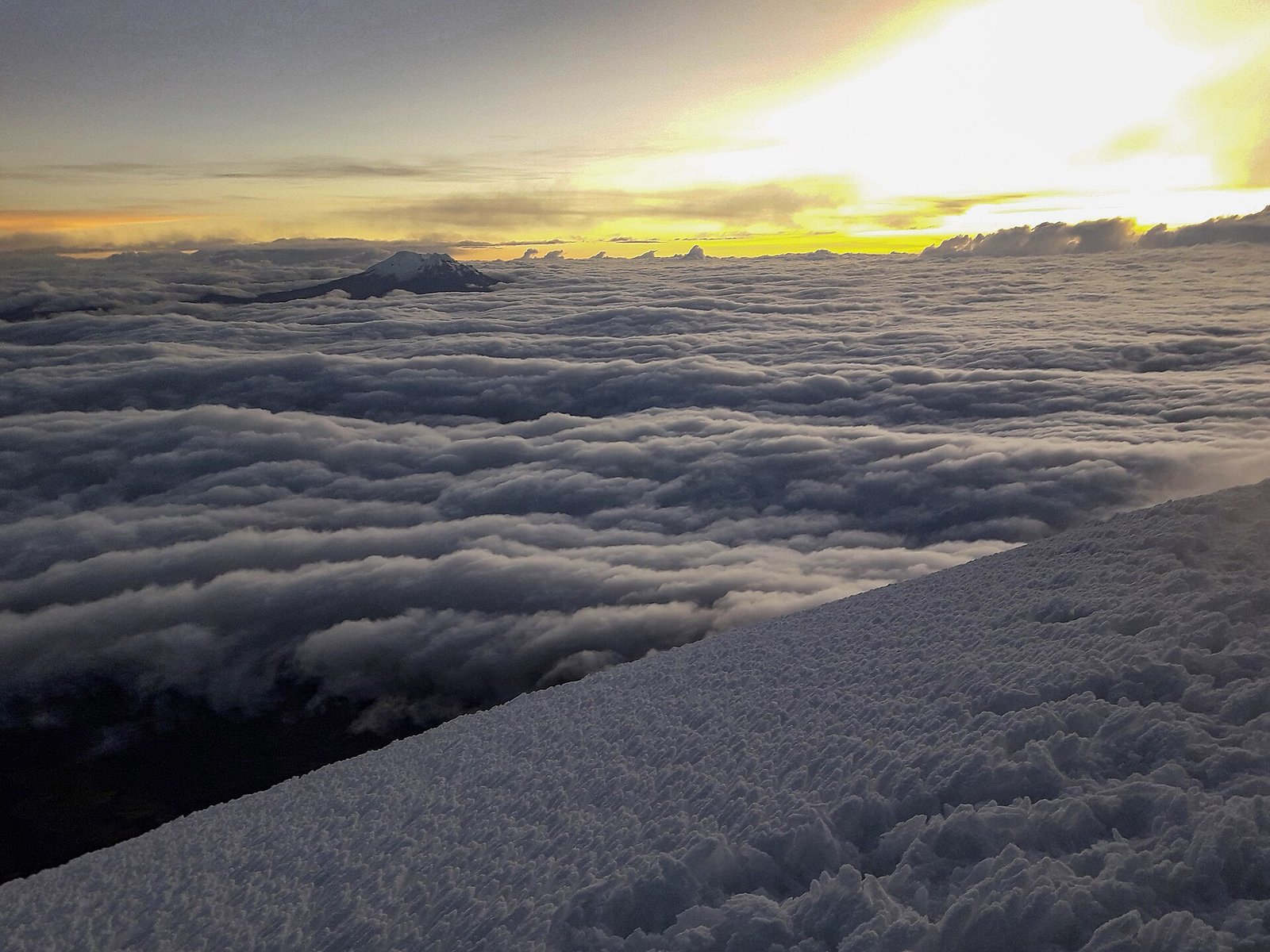
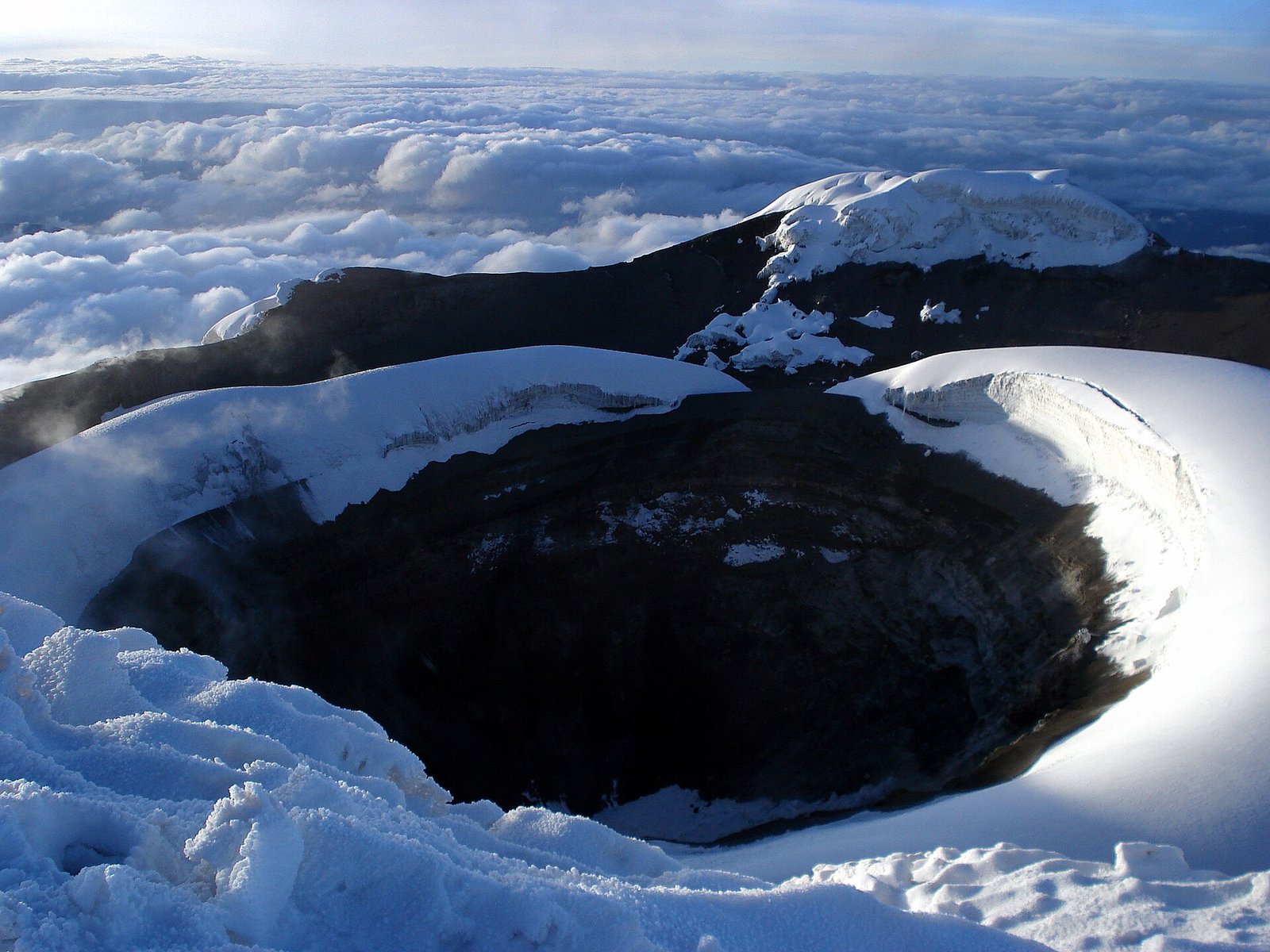
At the top, the summit crater of Cotopaxi and, on a clear morning, Chimborazo, the Illinizas and Antisana above the clouds.
Descent and return to Machachi
About 3 hours down to the refuge, then the parking lot and the drive back to Machachi, early in the afternoon. For more climbs and treks in Ecuador, see Ecuador Ascents.
What's included
Included
- Certified mountain guide (ASEGUIM or IFMGA), one guide for every two climbers
- Transport from and to our office in Machachi
- Night at the José Rivas Refuge with dinner and breakfast
- Climbing gear: helmet, harness, crampons, ice axe and rope
- Bottled water
Not included
- Pickup in Quito or other cities (you can add it as an extra)
- Mountain boots, warm clothing and headlamp (ask us about rentals)
- Park entry fees, if any
- Tips
Good to know
- Acclimatization
- You need at least three or four days at altitude before the climb, with one or two acclimatization hikes above 4,500 m. Our Rumiñahui Volcano Hike is a good one: tell us your plans and we'll help you.
- Fitness
- No technical experience is needed, but you must be fit: it's a long night on steep snow and ice above 5,000 m. Your guide teaches you the basics on the first day.
- Weather and the volcano
- The summit depends on the weather, the glacier and the volcano. The park closes the route to the summit during volcanic alerts. Your guide decides on the day, and safety always comes first.
How booking works
- Choose your date and group. The price per person drops as your group grows, and you see the total before you send anything.
- Check availability. Nothing is booked or charged yet; we confirm your date first.
- Pay and enjoy. Once confirmed, we send you a secure payment link by email or WhatsApp.